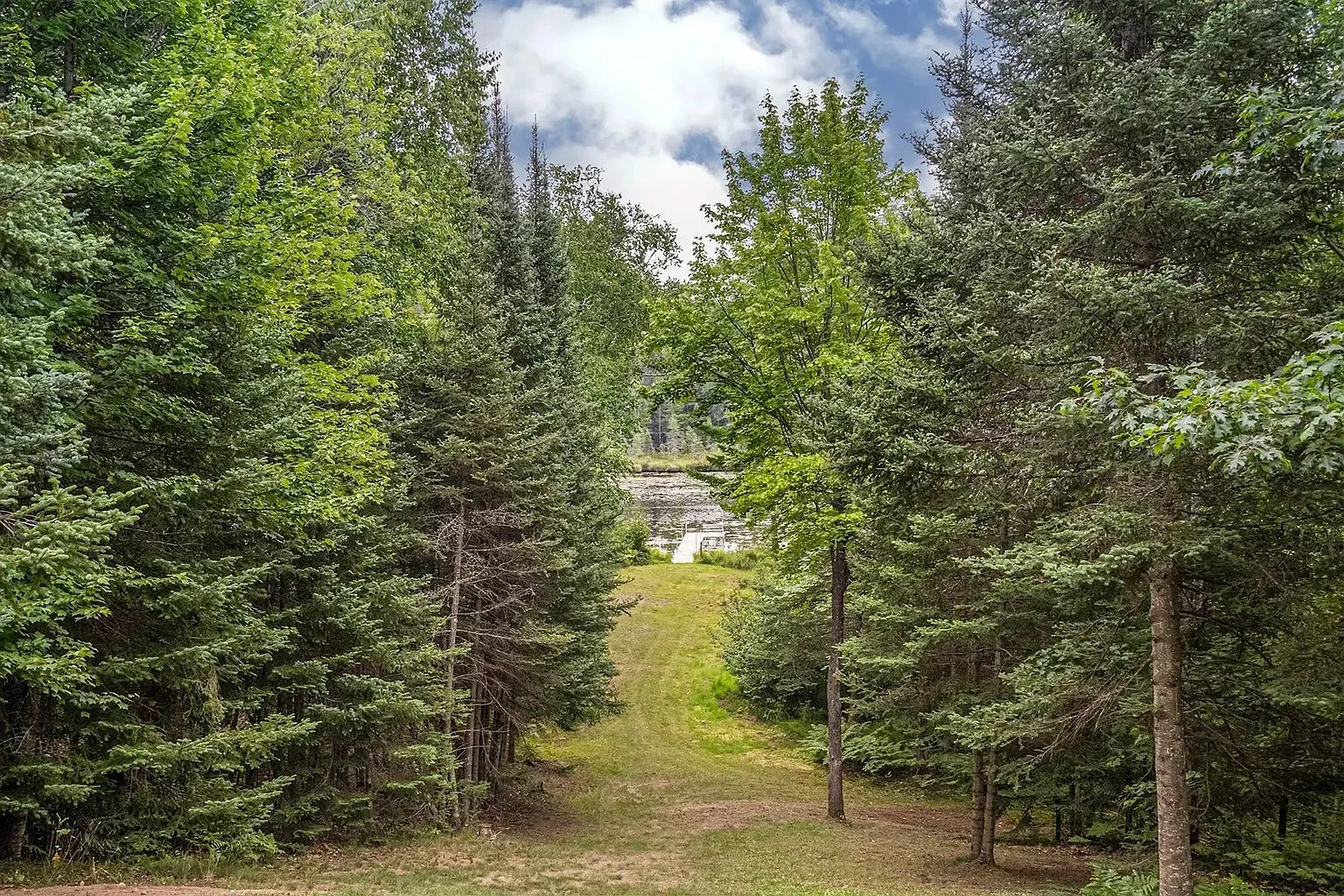
There is a stretch of the year around Eagle River that almost nobody fishes, and it is one of our favorites. The leaves are down, the summer boats are shrink-wrapped, the water has finished turning over and settled cold — and the fish, knowing what is coming, eat like they mean it. If you can dress for it, the weeks before ice-up give you the Eagle River Chain to yourself.
The window
What makes this stretch different?
By late fall the lakes have gone uniform from top to bottom. The thermocline that stacked fish at a predictable depth all summer is gone, the weeds have mostly laid down, and the water keeps cooling a little every night. That sounds like it should shut the fishing off. It does the opposite: it concentrates it.
With the whole water column open to them, fish stop hiding in the places you got used to and start following food. Baitfish pull toward the last green weed and the deeper basins, and the predators follow. Spots that held nothing in August can hold everything now — then be empty again two days later when the weather swings.
What bites
Which fish are still feeding?
Most of them, and some of the biggest of the year. Here is the cold-water lineup on the chain and over on the Sugar Camp Chain.
Musky
Late fall is the trophy window. Fewer fish moving, but the ones that do are the heavy ones. Big slow baits, long days, and a lot of patience — our musky guide covers the basics.
Walleye
Reliable once the water cools. They pile onto breaklines and rock, and the bite often turns on in the last hour of light rather than at dawn.
Northern pike
The most forgiving target of the season. Pike stay aggressive in cold water and will hit when nothing else will, which makes them the right fish to build a day around.
Crappie and perch
They school up tight in the deeper holes. Find one and you have usually found fifty, which is how a cold afternoon turns into a fish fry.
Where to look
Where do the fish go once the water hits the forties?
Deeper, slower, and tighter to structure. The three things we check first are the last standing green weed, sharp breaklines where a flat drops into the basin, and the narrows between lakes — current and pinched water hold bait, and the chain has no shortage of either.
The Eagle River Chain is the world's largest inland chain of freshwater lakes, which is a lot of shoreline for a short November day. Pick two or three lakes and learn them properly rather than running the whole chain. If the wind is up, the Sugar Camp Chain gives you more protected water. The boat landings guide is worth a look before you tow, because not every ramp stays in all season.
Being comfortable
What should you bring for a cold-water day?
Comfort is the whole game out here, because nobody fishes well when they are cold. Layer wool or synthetic under a waterproof shell, bring a spare pair of gloves because the first pair will get wet, and pack more hot coffee than feels reasonable. A life jacket matters more now than in July — cold water is unforgiving if you go in, and this is not the season to fish alone without telling someone your plan.
Check the current Wisconsin DNR regulations before you go, too. Seasons and limits differ by species and by water, so look them up fresh rather than trusting last year's memory. Then plan short days: be off the water before the light goes, and let the sauna and the fish-cleaning table do the rest.
Where to stay for late-fall fishing
Both cabins are open year-round and are built for exactly this — The O.G. on Lake Arbutus and The Grandy Dandy on the Sugar Camp Chain, each with the water out the door, a hot tub for afterward, and somewhere warm to dry your gloves overnight. Late fall is the quietest the Northwoods gets, which is precisely the appeal.
Good to know