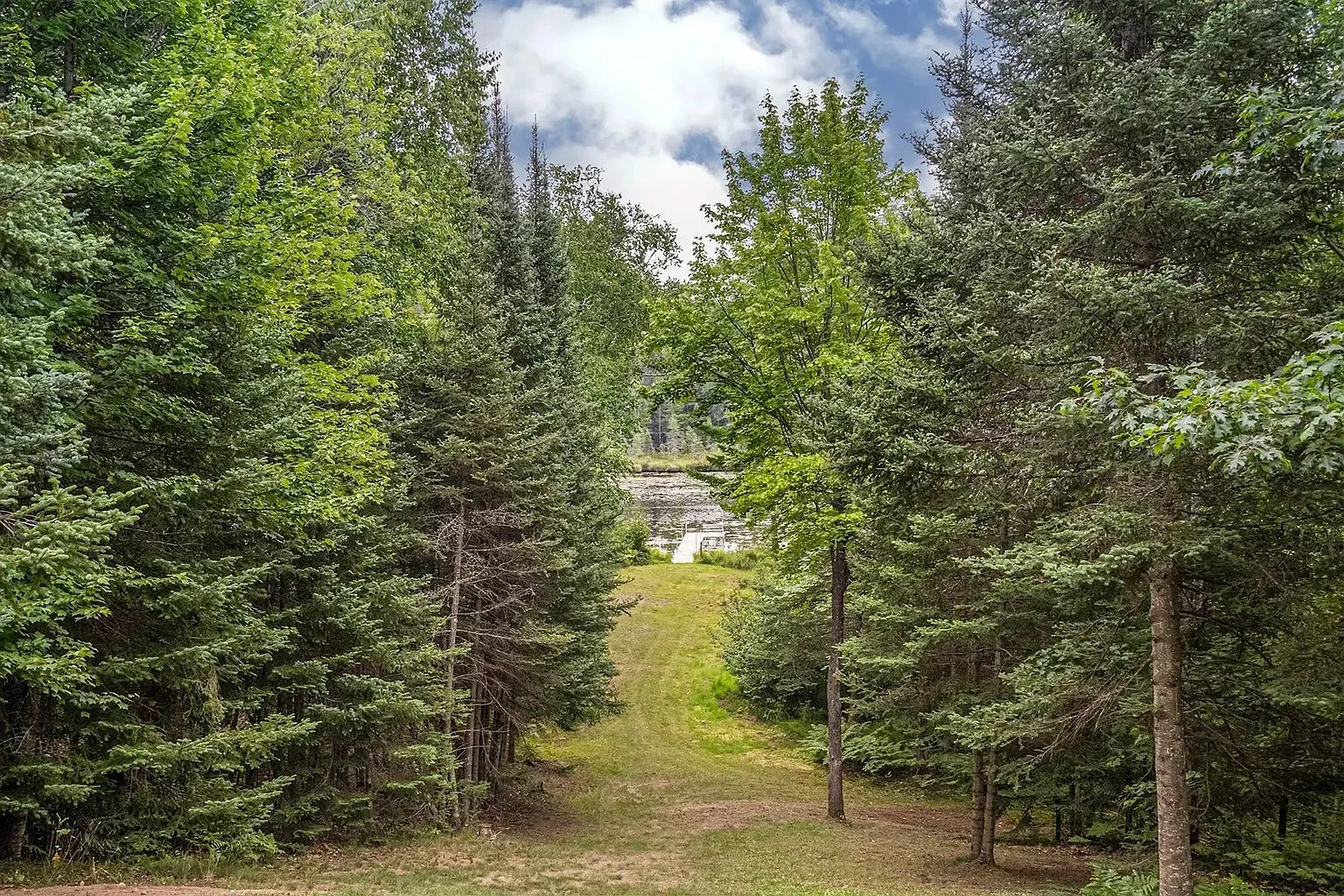
Everybody who comes up here wants to catch a musky. Fair enough — it's the fish the Northwoods is famous for. But the northern pike swimming in the same water will bite ten times as often, fight like it has a grudge, and make a far better first fish for a kid standing on the end of a dock. From early September until the lakes freeze, pike on the Eagle River Chain and the Sugar Camp Chain are about as cooperative as a predator gets.
Timing
Why is fall the best time to chase pike?
Pike are built for cold water. They feed through the whole open-water season, but they get noticeably greedier once the surface temperature starts dropping — which around Eagle River means from about early September onward. Two things happen at once. The thick summer weed beds begin to die back, which strips away half the cover the baitfish have been hiding in. And the pike, sensing a long winter, start looking for fewer, bigger meals instead of snacking all day.
That combination is why locals quietly rate the six weeks after Labor Day above the whole of July — fewer boats, no need to be up at dawn, and pike that will happily eat in flat midday sun. It is a forgiving fishery for a crew that is slow getting out the door.
Water
Where do pike hold on the chain?
Think edges. A pike is an ambush fish that wants to sit still, out of the current and out of sight, with open water to charge into. On the Eagle River Chain — the largest inland chain of freshwater lakes in the world — that means the outside edge of a cabbage bed, the mouth of a thoroughfare between two lakes, a point where a weed flat falls off into deeper water, or a fallen tree lying out from a quiet shoreline.
The narrows between lakes are worth special attention in fall. Baitfish get funneled through them, and pike stack up on the down-current side waiting. The Sugar Camp Chain has the same structure in a smaller, quieter package, which makes it a good place to learn to read water without a lot of boat traffic teaching you bad habits.
Weed edges
The outside line where green cabbage meets open water. In fall, work the deepest weeds still standing — dying weeds push fish out.
Thoroughfares
The channels linking one lake to the next concentrate bait. Cast to the seam where moving water meets slack water.
Wood and points
Any downed timber or hard point next to deep water is a pike's armchair. One good cast past it beats twenty into it.
Tackle
What should you throw?
Pike are not subtle, and neither should your tackle box be. Flash and movement trigger the strike: a big spoon cast out and retrieved steadily, a spinnerbait buzzed just over the weed tops, a shallow jerkbait twitched along an edge, or a soft swimbait if the fish are being picky. A medium-heavy rod and 30- to 50-pound braid handle everything the chain will hand you.
The one piece of gear you cannot skip is a leader. Pike teeth will shear straight braid or light mono on the hookset, and a fish swimming off with a bait in its mouth is a bad afternoon for everyone. A short wire or heavy fluorocarbon leader solves it. Bring long-nose pliers and a jaw spreader too — you want the hooks out fast, with your fingers well clear.
Handling matters more in fall than people expect. A big female is worth far more in the water than on a stringer, so support her under the belly, keep her horizontal, and let her swim off under her own power. Wisconsin sets seasons, size limits and bag limits that differ from water to water and change from year to year, so check the current Wisconsin DNR regulations for the lakes you're fishing before you launch.
Compared with
How is this different from musky fishing?
Same family, very different day. Musky fishing is a patience game — long hours, huge baits, and a real chance you go home without a follow, which is exactly what makes hooking one a story. Our musky guide to the Eagle River Chain covers that side of it. Pike are the opposite temperament: smaller baits, faster action, enough bites to keep a ten-year-old interested. Fish pike all morning, switch to musky at dusk.
Where to stay for a fall fishing trip
Both cabins put you on the water before breakfast — The O.G. on Lake Arbutus and The Grandy Dandy on the Sugar Camp Chain, each with a private dock, kayaks, and a hot tub for when your hands finally warm up. Fall weekends are the quiet secret of the season, but they do fill — book ahead.
Good to know