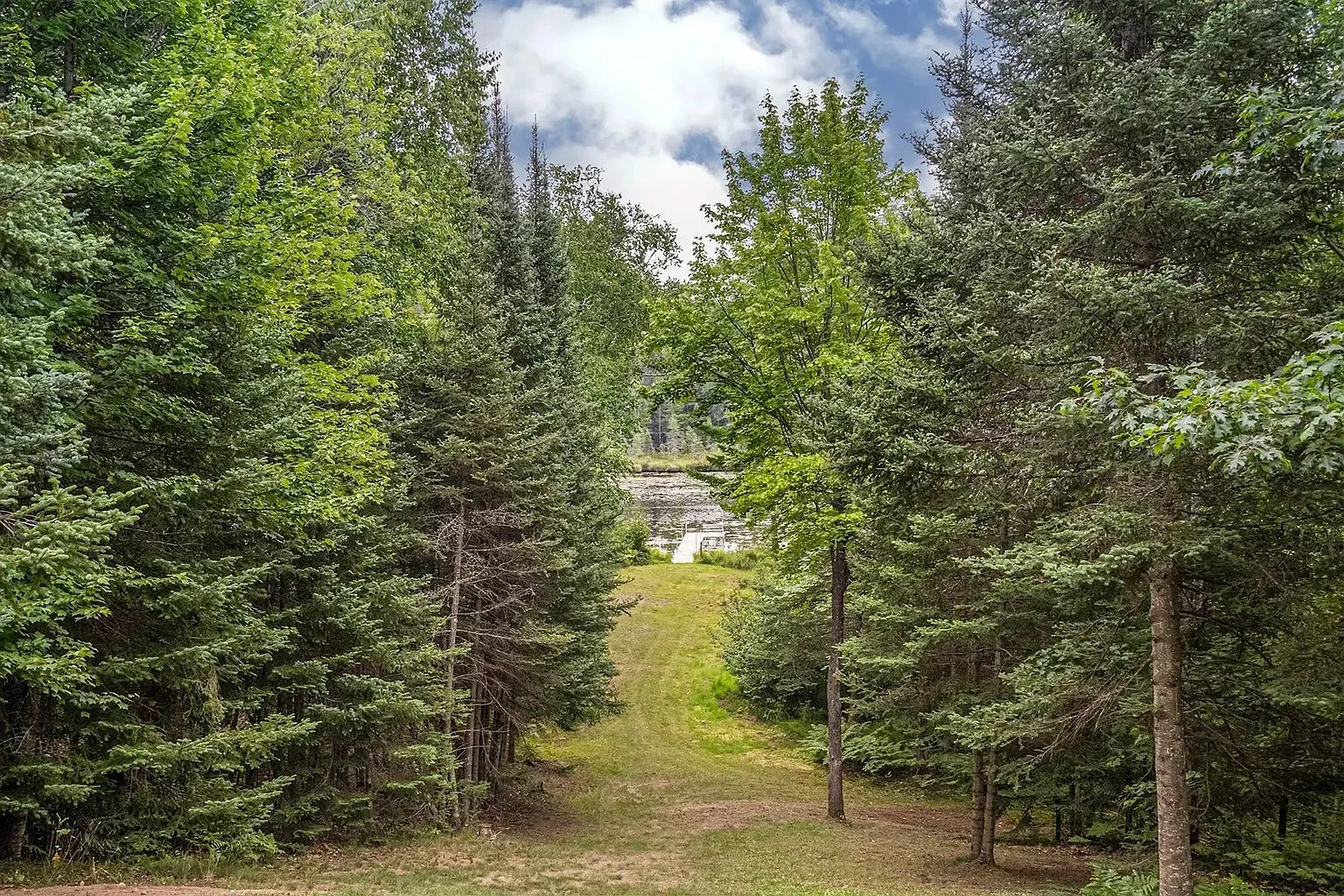
We get this question most in the fall, usually from someone who has just read up on musky fishing on the chain and realised how much water is out there. The Eagle River Chain is the largest inland chain of freshwater lakes in the world — wonderful and slightly terrifying at once. Hiring a guide for one day of your stay is the fastest way to make the rest of the week make sense.
Worth it?
Is a guide worth it on water this big?
If you have three or four days here and have never fished the chain, yes. The reason is structure: these lakes are joined by narrow thoroughfares, and fish move between them with the water temperature, so the spot that produced in July can be empty in October. You are not buying a day of catching — you are buying the map in a guide’s head.
The other thing a guide gives you is calibration. Watch where someone who knows the water puts the boat, how fast they move, and how long they give a spot before leaving it, and you will fish the rest of the week differently. Guests tell us the guided day was good — and the two days after it were the best fishing of the trip.
The day itself
What does a guided day actually look like?
Most guides up here run half-day and full-day trips, and nearly all of them supply the boat, rods, tackle and the live bait. You bring a license, weather-appropriate layers, lunch and a camera. Plenty of guides will pick you up right at the cabin dock if you are on the water they are fishing, which is a very pleasant way to start a morning.
Half day
The usual choice for families and first-timers. Long enough to learn a few spots and a presentation, short enough that nobody gets cold or bored.
Full day
What serious musky anglers book. Big fish often come on the last pass of the day, and a full day buys you the patience to earn one.
What you bring
Your Wisconsin license, layers for colder-than-you-think wind, sunglasses, lunch, and a camera.
Timing
When should you book, and for when?
Right now is the sharp end of the year. The cold-water weeks of late fall are when the biggest musky of the season get caught, and the guides who specialise in them are booked by anglers who reserved the same week last year. If you are planning a trip before the lakes lock up, make the call the same day you book the cabin — our November fishing guide covers what is actually happening out there in those weeks.
Further out, the two tightest windows are the spring opener and this late-fall run. Midsummer is easier on short notice, and it is a fine time to take kids out for panfish — the trip most likely to turn a nine-year-old into a fisherman.
Choosing one
How do you pick the right guide?
Say what you actually want out loud when you first make contact, because guides specialise. “One big musky, and I do not care if we go all day without a bite” and “my kids catching something every ten minutes” are two different days, and a good guide will say honestly if yours is not the day they run. Ask which water they fish — some live on the Eagle River Chain, some know the quieter Sugar Camp Chain best — and ask what happens if the weather turns, since that is a real conversation in the Northwoods.
The bait shops in town are the best referral network there is; they hear about every trip that went well and every one that did not. Bringing your own boat instead? Our boat landings guide has the ramps mapped out.
Where to stay for a fishing trip
Both cabins put you on the water before the guide even arrives — The O.G. on no-wake Lake Arbutus and The Grandy Dandy on the Sugar Camp Chain, each with a private dock, kayaks and a hot tub for the end of a cold day. Fall weeks go quietly, but they do go.
Good to know