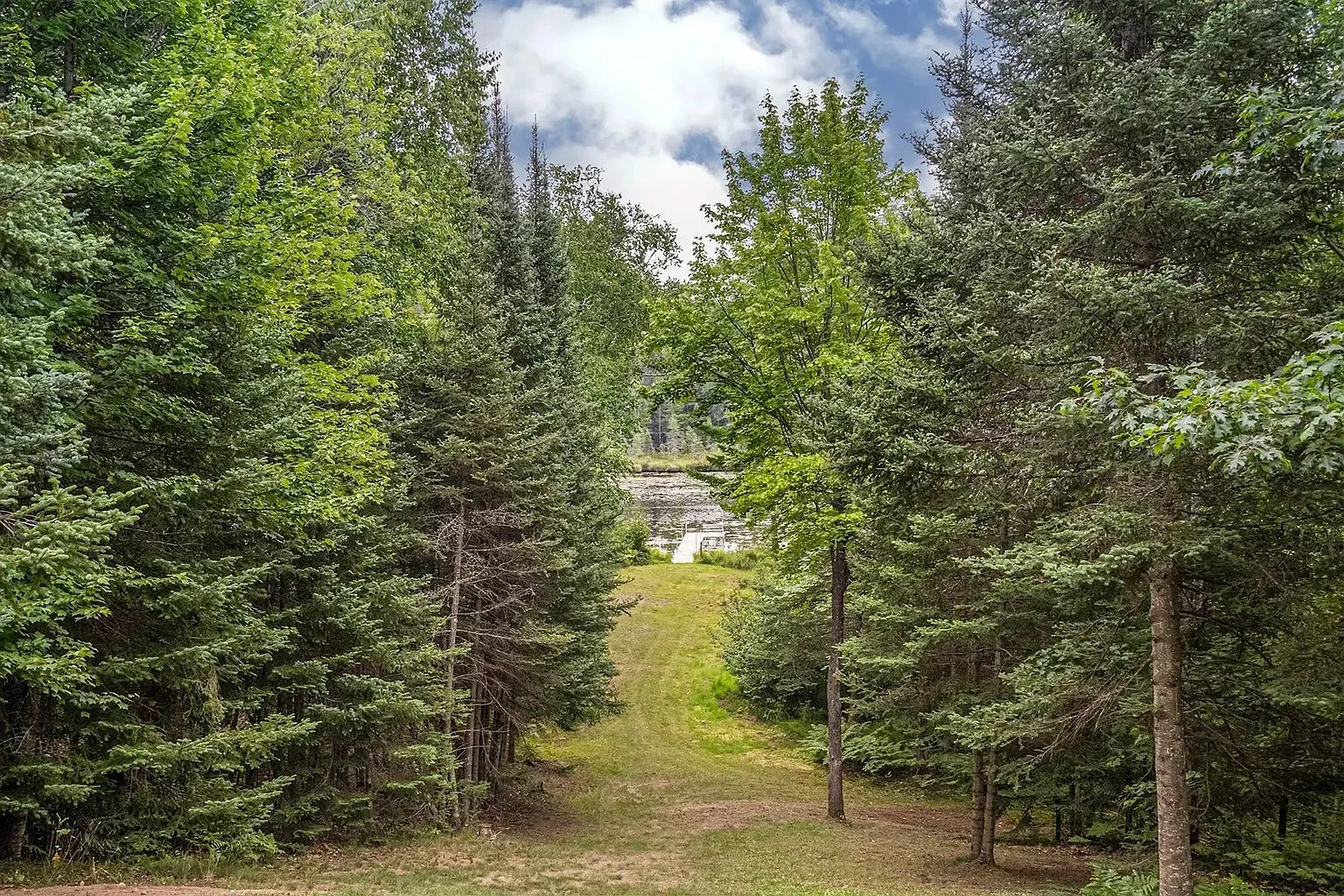
The question we get more than any other, usually by text from someone staring at a calendar: when should I come up to fish? There is no bad month on the Eagle River Chain — the world's largest inland chain of freshwater lakes — but there is a right month for the fish you have in mind. Here is how the year unfolds out our back door, on the chain and on the boatable Sugar Camp Chain.
The short version
If you only remember one thing?
Come in fall. From late September into November the water cools, the weeds lay down, the bait pulls out of the shallows, and the biggest fish in the system start eating like they know what is coming. It is the hardest season to dress for and the easiest season to catch a fish you will talk about for years. If fall does not fit, aim for the first few weeks after ice-out, when everything is shallow and hungry at once — or come in summer, which is the friendliest time to be on the water and when the panfish will keep a nine-year-old busy for three hours straight.
Spring
What turns on first after ice-out?
Ice-out usually lands somewhere in April, and the shallow water warms first. Dark-bottomed back bays and the channels between lakes are where to start — they can run several degrees warmer than the main basin, and in cold water that difference is everything.
Walleye move toward current and gravel, northern pike push into the first green weeds, and panfish stack up in the warmest pockets. Fish slow and shallow; a jig worked at a crawl will out-catch anything you throw fast. Check the landings early in spring — the shoulder weeks can be rough on a trailer.
Summer
Is summer worth it, or just busy?
Both, cheerfully. June through August is when the chain is liveliest and fishing fits around everything else — a swim, a boat ride, dinner in town. As the surface warms, fish push deeper and hold tighter to structure, so the pattern shifts to early mornings and the last hour of light.
Largemouth sit along the weed edges, smallmouth hang on rock, and musky stay catchable for anyone willing to cast until their shoulders complain. Fishing from land instead? Our shore-fishing spots are at their best in these months.
Fall
Why do locals wait for fall?
Because the whole system tightens up. Once the lakes go through turnover and the water column evens out, fish scatter briefly and then commit to predictable, feed-heavy patterns. Weeds die back and stop hiding everything; bait schools pull to the deep breaks and the predators follow.
This is prime time for fall musky and heavy walleye on deep structure, the season when a short afternoon out-produces a whole summer week. Dress for worse weather than the forecast promises and plan on coming back cold — there is a reason both cabins have a hot tub and one has a cedar barrel sauna.
April – May
Ice-out. Shallow, warm-water bays and channels. Walleye near current, pike in the first weeds, slow presentations.
June – August
Weed edges and rock. Bass and panfish all day, musky and walleye at dawn and dusk. Easiest fishing with kids.
September – November
Turnover, then the big-fish window. Deep breaks, dying weeds, the heaviest musky and walleye of the year.
December – March
Ice. Panfish on the flats, walleye at dusk, pike on tip-ups. Check the ice yourself.
Winter
What happens once the ice comes in?
The chain does not shut down, it changes address. Ice fishing here is a real season, not a novelty: panfish on the shallow flats midday, walleye up the breaks at dusk, tip-ups for pike along the weed lines that held them in open water.
Never take anyone's word on ice, ours included. Conditions vary lake to lake and week to week, and the channels between lakes stay sketchy long after the basins look solid. Check it yourself and ask in town before you drive anything out.
Where to stay for a fishing trip
Both cabins are open year-round and built around the water. The Grandy Dandy sits on the boatable Sugar Camp Chain with a private dock out back, kayaks and paddleboards, a cedar barrel sauna and a hot tub for after a cold morning. The O.G. is the quiet one, on private, spring-fed Lake Arbutus — a no-wake lake with its own dock, kayaks, a paddle boat and a rowboat. Book ahead; fall and winter weekends go quietly, but they go.
Good to know